
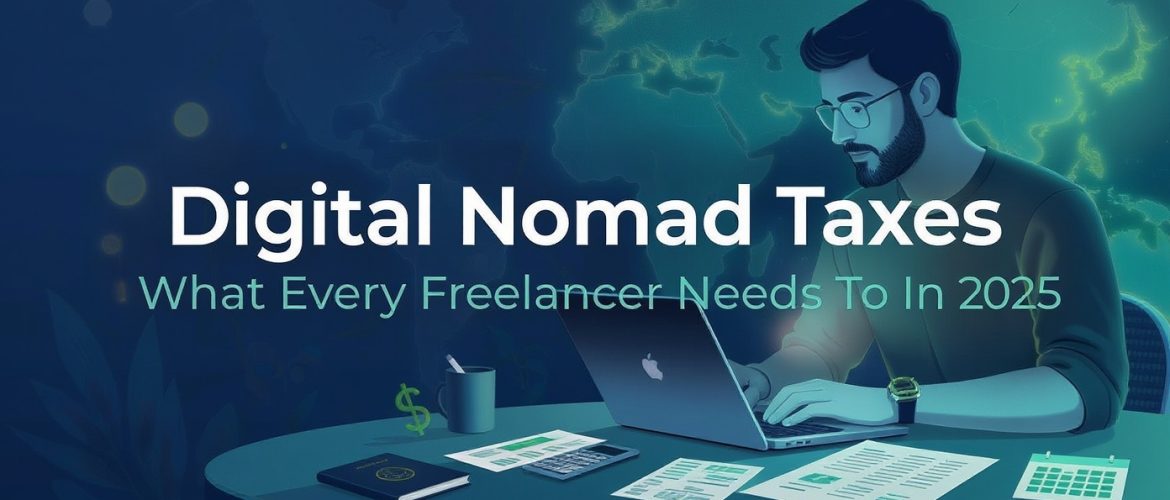
Freelancers embracing the digital nomad lifestyle face unique tax situations that can feel overwhelming. As more people work remotely and travel the globe, understanding the ins and outs of taxes in different countries becomes essential. Whether you’re working from a beach in Bali or a café in Lisbon, navigating your tax obligations doesn’t have to be a headache. This guide breaks down everything you need to know about digital nomad taxes in 2025, making it easier to focus on what you do best—your work.

Being a digital nomad is an exciting lifestyle choice. You get to work from beautiful locations while enjoying the freedom that comes with freelancing. However, there’s a crucial aspect that often gets overlooked: taxes. Understanding your tax obligations is essential for anyone living this lifestyle.
The image captures the essence of this lifestyle perfectly. A laptop sits on a vibrant beach towel, with a refreshing drink nearby and a globe in the background. It’s a reminder that while you can work from paradise, you still need to keep track of your finances.
In 2025, tax regulations for digital nomads may change, making it even more important to stay informed. Freelancers must navigate various tax laws depending on where they are based and where they earn their income. This can feel overwhelming, but it doesn’t have to be.
As you sip your drink and enjoy the view, it’s a good time to think about your tax situation. Keeping organized notes, like those seen in the image, can help you manage your responsibilities. A little preparation goes a long way in ensuring you remain compliant.
This article will guide you through the key points every freelancer should know about taxes in 2025. You’ll learn how to stay on top of your obligations while continuing to enjoy the freedom of being a digital nomad.
Who Counts As A Digital Nomad In 2025

In 2025, the term ‘Digital Nomad’ has evolved. It now includes anyone who works remotely while traveling or living in different locations. This could be freelancers, entrepreneurs, or even employees of companies that allow remote work. The key factor is the ability to perform work from anywhere, often in beautiful and inspiring settings.
Picture a vibrant co-working space by the beach, filled with people focused on their laptops. This image captures the essence of a digital nomad lifestyle. The blend of work and travel creates a unique environment where creativity can flourish. Many digital nomads choose locations that offer both comfort and connectivity, making it easier to stay productive.
Moreover, digital nomads often prioritize flexibility. They might move from city to city or country to country, seeking new experiences while maintaining their careers. This lifestyle allows them to immerse themselves in different cultures, all while managing their taxes and finances from afar. Understanding how to navigate these financial responsibilities is crucial.
As we look at the future, the definition of a digital nomad may expand even further. With advancements in technology, more people can work remotely than ever before. This shift means that anyone who embraces this lifestyle can identify as a digital nomad, regardless of their profession. The freedom to choose where to work is a significant draw for many.
In summary, if you’re working remotely and exploring the world, you likely fit the digital nomad profile in 2025. Embracing this lifestyle comes with its own set of challenges, especially regarding taxes. Being informed and prepared is essential for anyone looking to thrive in this new way of working.
Why Taxes Are Different For Digital Nomads

Digital nomads often find themselves in unique tax situations. Unlike traditional workers, they may earn income from various countries while living in different locations. This can lead to confusion about where and how to pay taxes.
For instance, many digital nomads work remotely for clients in one country while residing in another. This setup can create multiple tax obligations. Understanding the tax laws of both the home country and the host country is essential.
Moreover, some countries offer tax incentives to attract remote workers. These incentives can significantly impact a digital nomad’s tax responsibilities. It’s wise to research these benefits before deciding where to live and work.
Another factor is the duration of stay in a country. Many nations have specific rules about how long a person can stay before becoming a tax resident. This can affect tax rates and obligations, making it crucial to track your time spent in each location.
Lastly, digital nomads should be aware of double taxation treaties. These agreements between countries can help prevent being taxed twice on the same income. Knowing how these treaties work can save money and simplify tax filing.
Key Tax Challenges Freelancers Face Abroad
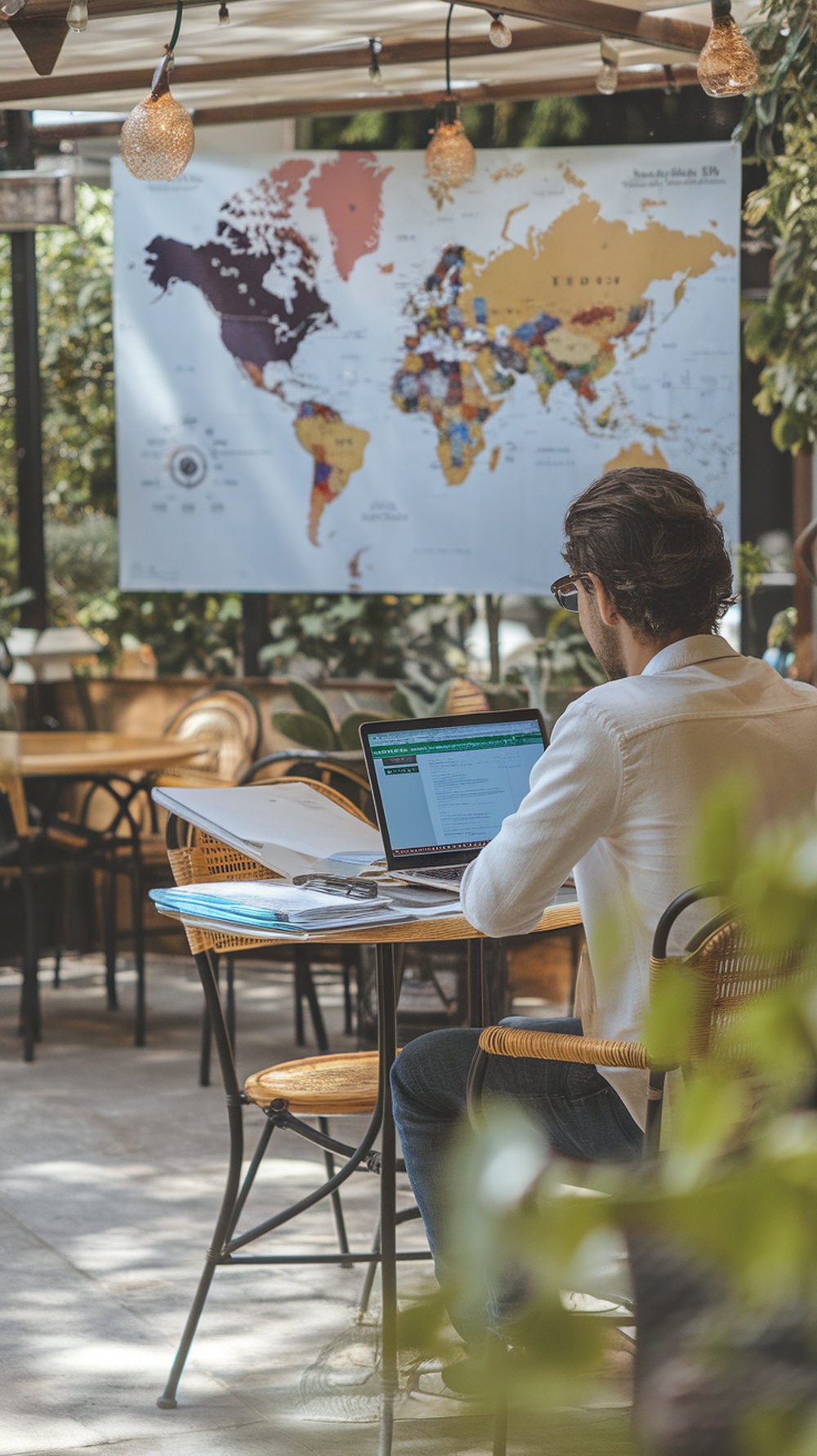
Freelancers working abroad often face unique tax challenges. One major issue is understanding tax residency. Different countries have different rules about how long you can stay before being considered a tax resident. This can lead to unexpected tax obligations.
Another challenge is navigating double taxation. Many countries have treaties to prevent this, but not all freelancers know how to take advantage of them. It’s vital to research the specific treaties that apply to your situation to avoid paying taxes in multiple places.
Freelancers must also keep track of their income. This can be tricky when working with clients from different countries. Currency fluctuations can affect how much you earn, and you need to report your income accurately for tax purposes.
Moreover, tax laws are constantly changing. Staying updated on the latest regulations in both your home country and the country where you’re working is essential. Ignoring these changes can lead to penalties or missed deductions.
Lastly, hiring a tax professional who understands international tax law can be a game changer. They can help you navigate the complexities of taxes as a digital nomad, ensuring you comply with all regulations while maximizing your deductions.
Understanding Tax Residency Rules

Tax residency can be a tricky topic for digital nomads. It’s essential to know where you stand when it comes to taxes. Each country has its own rules about who is considered a tax resident. Generally, if you spend a significant amount of time in a country, you might be subject to its tax laws.
For freelancers, this means keeping track of the days you spend in each location. Many countries use a 183-day rule, meaning if you’re in a country for more than half the year, you may owe taxes there. This can lead to double taxation if you’re not careful.
Another factor to consider is your home country’s tax laws. Some countries have agreements to prevent double taxation, which can help ease your tax burden. Understanding these agreements is vital for digital nomads who travel frequently.
It’s also important to document your travels. Keeping a log of where you work and stay can help if you ever need to prove your tax residency status. This is especially useful if you find yourself in a dispute with tax authorities.
Finally, consulting a tax professional familiar with international tax laws can save you a lot of headaches. They can help you navigate the complexities of tax residency and ensure you comply with all regulations while enjoying your freelance lifestyle.
Double Taxation & How To Avoid It

Being a digital nomad comes with its perks, like working from stunning beaches. However, it also brings challenges, especially when it comes to taxes. Double taxation is a common concern for freelancers who earn income in different countries. This means you might end up paying taxes in both your home country and the country where you’re working.
To avoid double taxation, it’s important to understand the tax treaties between countries. Many nations have agreements that prevent you from being taxed twice on the same income. Researching these treaties can save you a lot of money and stress. You can usually find this information on government websites or through tax professionals.
Another strategy is to keep detailed records of your income and expenses. This helps you prove where your money is coming from and where it’s being spent. When filing your taxes, having clear documentation can make it easier to claim any deductions or credits available to you. This is especially useful if you work in multiple countries.
Consider consulting a tax advisor who specializes in international taxation. They can provide tailored advice based on your unique situation. This can be a game-changer, especially if you’re unsure about your obligations. A good advisor will help you navigate the complexities of tax laws.
Lastly, stay informed about changes in tax laws. Tax regulations can change frequently, impacting how you file your taxes as a digital nomad. Keeping up with these changes will help you avoid surprises come tax season. Being proactive can make your freelancing journey smoother and more enjoyable.
Tax-Friendly Countries For Digital Nomads

Choosing the right country as a digital nomad can significantly affect your taxes. Some countries offer favorable tax rates or even tax exemptions for freelancers. This can help you keep more of your hard-earned money.
Countries like Portugal and Mexico are popular among digital nomads. Portugal has a Non-Habitual Resident program, which can provide tax benefits for new residents. Mexico, on the other hand, has a relatively low cost of living and offers a temporary resident visa that can be appealing.
Another great option is Thailand. With its vibrant culture and affordable lifestyle, many freelancers find it an attractive place to work. The Thai government also has various visa options that cater to digital nomads.
Consider countries like Georgia, which has a visa specifically for remote workers. This country not only offers a low tax rate but also a welcoming environment for freelancers. It’s a great place to enjoy a unique culture while managing your taxes effectively.
Finally, don’t overlook Estonia. Known for its e-Residency program, Estonia allows you to start and manage a business online. This can simplify your tax obligations and make it easier to operate as a digital nomad.
Essential Tax Deductions For Remote Freelancers

Being a digital nomad is exciting, but it comes with its own set of tax challenges. One of the most important aspects of managing your finances is understanding tax deductions. These deductions can significantly reduce your taxable income, making your freelance life a bit easier.
First off, home office expenses are a big one. If you work from a dedicated space in your home, you can deduct a portion of your rent or mortgage, utilities, and even internet costs. This is especially beneficial for freelancers who may not have a traditional office setup.
Next, let’s talk about travel expenses. If your work requires you to travel, you can deduct costs like airfare, lodging, and meals. Just keep in mind that these expenses must be directly related to your work. So, if you’re attending a conference or meeting a client, those costs can add up and help lower your tax bill.
Another deduction to consider is equipment and software. Whether it’s a new laptop, software subscriptions, or even office supplies, these costs can be deducted. Keeping track of these expenses throughout the year will make tax season much smoother.
Lastly, don’t forget about professional services. If you hire an accountant or use tax software, those fees are also deductible. Investing in the right tools and services can save you money in the long run, making it easier to focus on your freelance work.
Tools & Services To Help Manage Digital Nomad Taxes

Managing taxes as a digital nomad can feel overwhelming. With the freedom to work from anywhere, it’s easy to forget about tax obligations. However, staying organized is key to avoiding surprises when tax season rolls around.
First off, using accounting software can make a huge difference. Programs like QuickBooks or FreshBooks help track income and expenses seamlessly. These tools often come with features that allow you to categorize transactions, making it easier to prepare your taxes.
Next, consider using a dedicated tax service. Companies like H&R Block or TurboTax offer services tailored for freelancers and digital nomads. They can guide you through the tax filing process, ensuring you don’t miss out on deductions that could save you money.
Another handy tool is a digital wallet or expense tracker. Apps like Expensify allow you to keep tabs on your spending while traveling. This can simplify the process of gathering receipts and documenting expenses for tax purposes.
Lastly, don’t overlook the value of consulting a tax professional. They can offer personalized advice based on your unique situation. This is especially helpful if you have questions about international tax laws or how to file in multiple countries.
Common Mistakes To Avoid

When it comes to handling taxes as a digital nomad, many freelancers make common mistakes that can lead to stress and financial trouble. One of the biggest blunders is not keeping accurate records of income and expenses. Without proper documentation, it becomes challenging to file taxes correctly. This can result in overpaying or facing penalties later on.
Another frequent error is ignoring local tax laws. Each country has its own regulations, and failing to understand them can lead to complications. It’s essential to research the tax obligations in the places you work. This knowledge can save you from unexpected surprises when tax season arrives.
Many digital nomads also overlook the importance of setting aside money for taxes. Freelancers often have variable income, which can make budgeting tricky. By not reserving a portion of earnings for taxes, you might find yourself scrambling to pay when the time comes. Planning ahead can ease this burden significantly.
Additionally, some freelancers mistakenly believe they can avoid taxes altogether by working remotely. This misconception can lead to serious legal issues. It’s vital to understand that tax responsibilities still apply, regardless of where you are physically located. Ignoring this can create a headache down the line.
Finally, failing to seek professional advice is a mistake that many make. Tax laws can be complex, especially for digital nomads. Consulting with a tax professional can provide clarity and help you navigate your obligations. This step can save you time and money, ensuring you stay compliant while enjoying your nomadic lifestyle.
Conclusion

Being a digital nomad is an exciting way to work and travel. However, it comes with its own set of challenges, especially when it comes to taxes. Understanding your tax obligations is key to enjoying your lifestyle without any surprises.
As you explore new locations, remember that each country has different tax laws. Staying informed about these rules can save you from potential headaches down the road. It’s wise to keep records of your income and expenses, as this will help you when tax season rolls around.
Moreover, consulting a tax professional who understands the digital nomad lifestyle can be a game changer. They can provide tailored advice that fits your unique situation. This way, you can focus more on your work and less on tax worries.
In 2025, the landscape for digital nomad taxes may change. Keeping an eye on new regulations will help you stay compliant. This proactive approach can also help you take advantage of any beneficial tax treaties or deductions.
Ultimately, being a digital nomad means balancing work and life in a way that suits you. By staying informed about your tax responsibilities, you can enjoy your travels while keeping your finances in check.